Bagasse vs. Paper Plates: Why Sugarcane Tableware is Superior
When searching for eco-friendly disposable options, consumers consistently face the great debate: standard paper versus sugarcane plates. While paper has long been the default, modern science heavily favors bagasse. The manufacturing methods, durability, and true environmental costs explicitly show why sugarcane disposable plates are the definitively superior choice.
1. The Zero-Deforestation Advantage
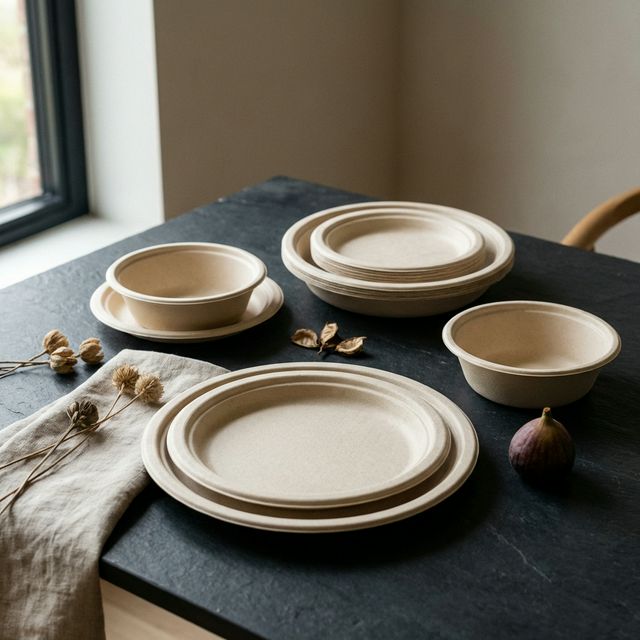
Every paper plate fundamentally requires cutting down trees. Conversely, disposable sugarcane plates originate exclusively from rapid-renewing agricultural bi-products. By sourcing disposable plates from bagasse, you ensure that not a single tree is felled for convenience, radically reducing the deforestation footprint.
2. Superior Structural Integrity
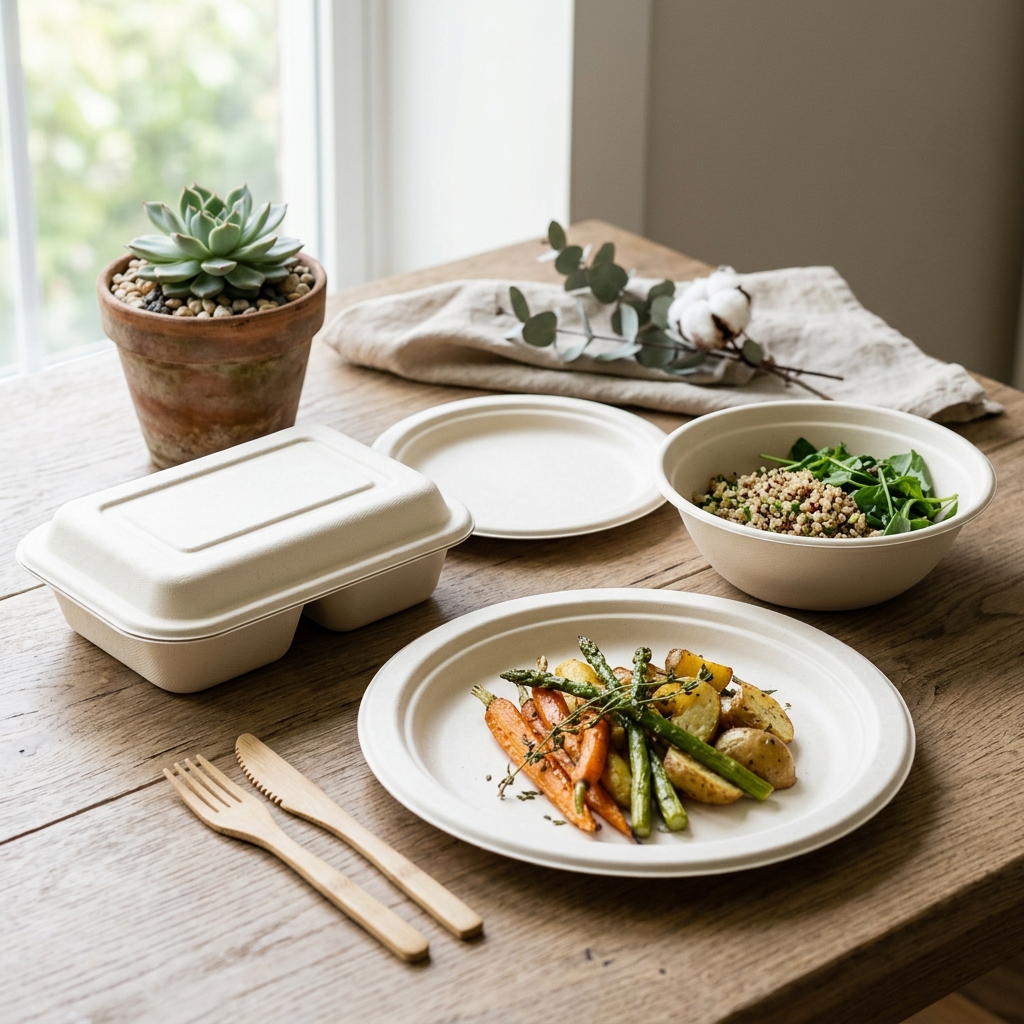
Paper plates are notorious for their lack of rigidity. They fold, they leak, and they require harsh chemical wax coatings to hold anything damp. High-pressure molded disposable sugarcane bagasse plates, however, feature interwoven micro-fibers that create a natural fortress against grease, moisture, and heavy weights, completely outclassing standard paper variants without utilizing synthetic coatings.
3. Chemical-Free Processing
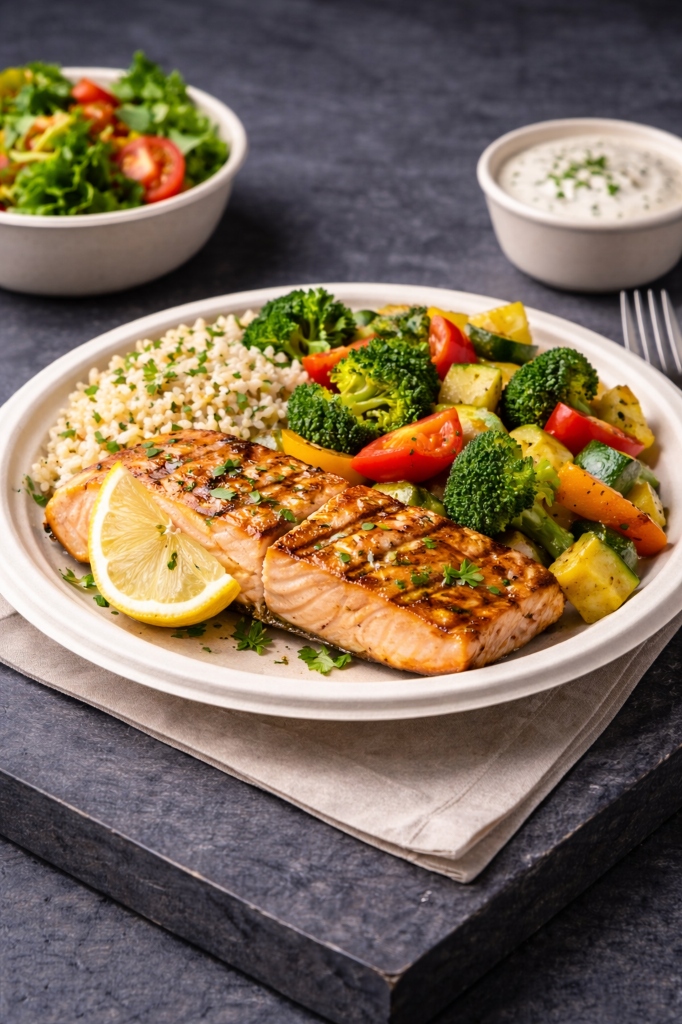
While bright white paper goes through heavy chlorine bleaching, premium bagasse is processed using entirely safe, FDA-approved natural cleansing methods, keeping dinners completely toxin-free.
Looking for Premium Bagasse Tableware?
Explore our array of export-grade, 100% compostable packaging solutions.
Molydos Editorial Team
Leading the conversation on sustainable manufacturing and industrial innovation. Our team works at the intersection of eco-technology and global trade.