Bagasse vs. Plastic Plates: Why the Switch is Clinically Essential
Every single year, billions of single-use polycarbonate and plastic plates are unceremoniously dumped into our oceans and landfills, initiating a staggering 400-year decomposition cycle. The switch away from these synthetics isn't merely an industry trend—it is a critical necessity for human health. Relying on organic bagasse products presents a stunningly logical alternative.
Phasing out Microplastics
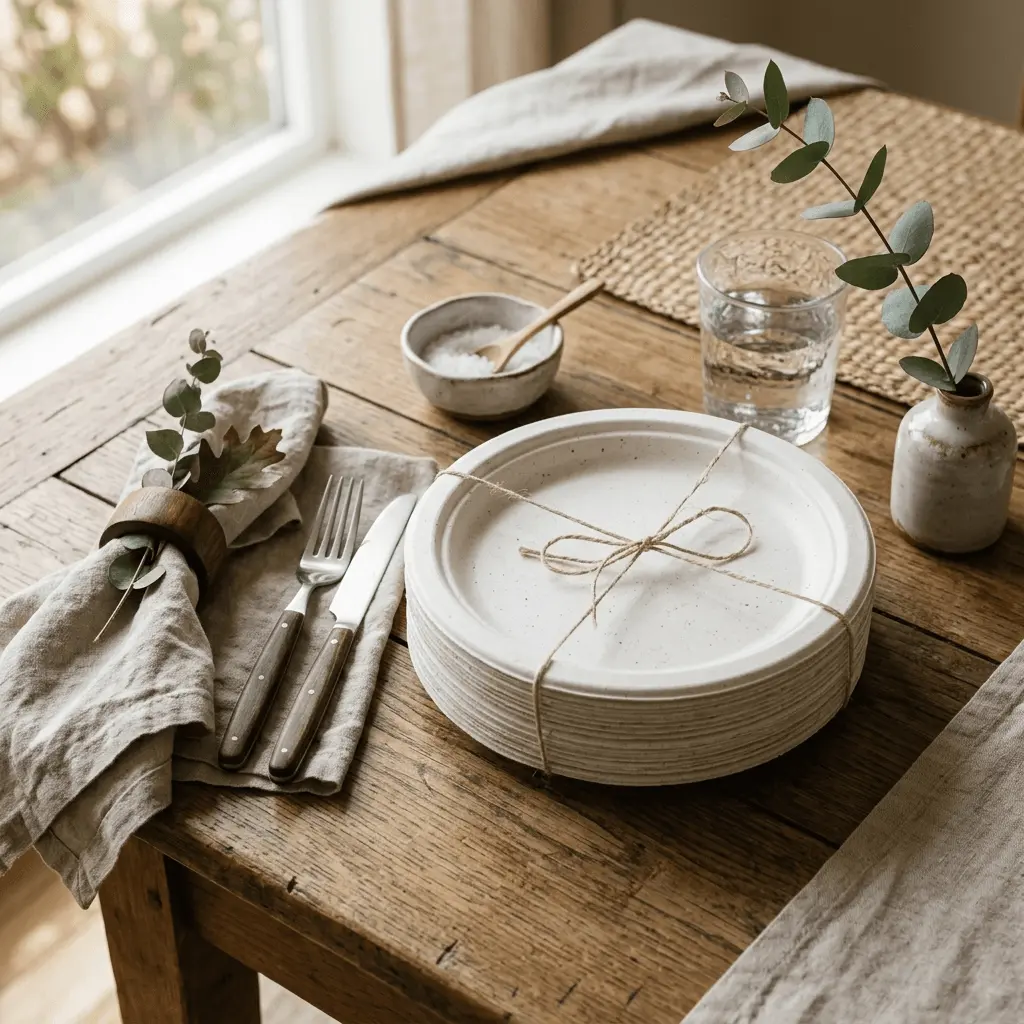
Plastic dining ware actively sheds microplastics directly into human food, particularly when carrying hot, acidic, or extremely greasy items. Sourcing high-grade sugarcane waste products immediately nullifies this terrifying biological risk. A well-manufactured stack of sugarcane waste plates represents pure, earth-born fiber interacting safely with human meals.
The Elegant Replacement
Fortunately, transitioning does not mean a sudden downgrade in aesthetic appeal or functional strength. Today’s sugar cane bagasse plates and bagasse sugarcane plates rival heavily molded plastic in every measurable physical aspect. Furthermore, coupling these containers with sleek, hard-pressed biodegradable plates and cutlery gives modern enterprises an opportunity to completely detach from petroleum-based packaging loops entirely.
Looking for Premium Bagasse Tableware?
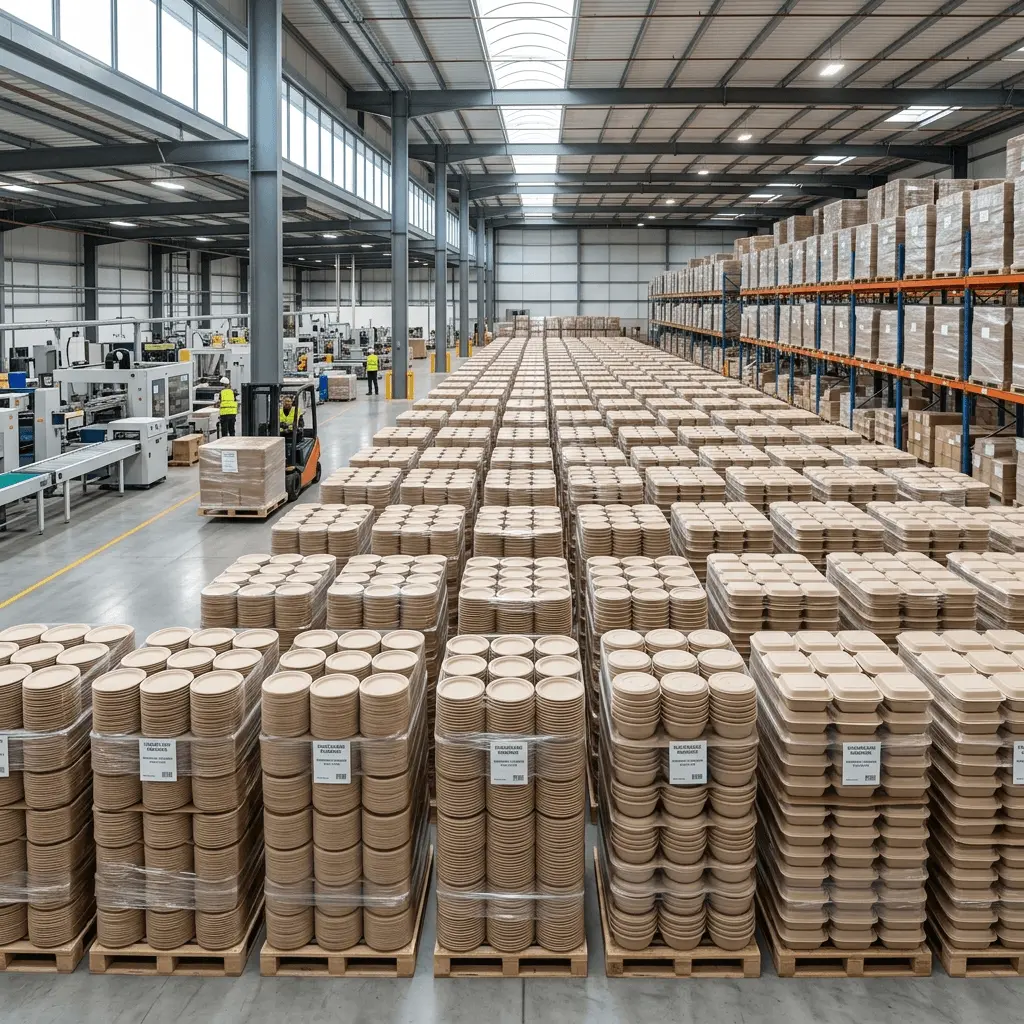
Explore our array of export-grade, 100% compostable packaging solutions.
Molydos Editorial Team
Leading the conversation on sustainable manufacturing and industrial innovation. Our team works at the intersection of eco-technology and global trade.