Why Bagasse Plates Become Soggy (And Exact Preventative Steps)
While the overall structural density of a premium sugarcane bagasse plate is incredibly formidable, users sometimes encounter moisture breach when using uncertified, cheap variants over extremely long durations. Understanding the dynamics of liquid retention guarantees a pristine dining experience.
Understanding Liquid Defenses
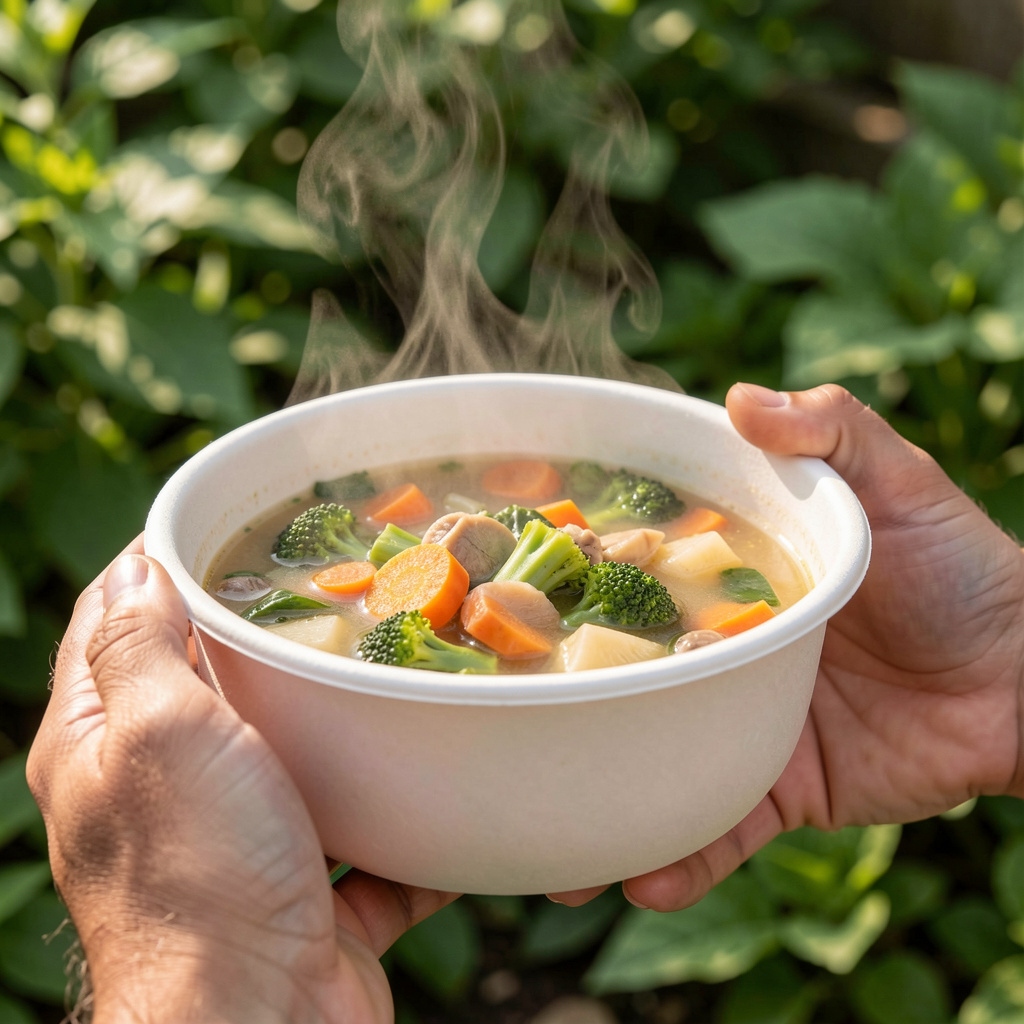
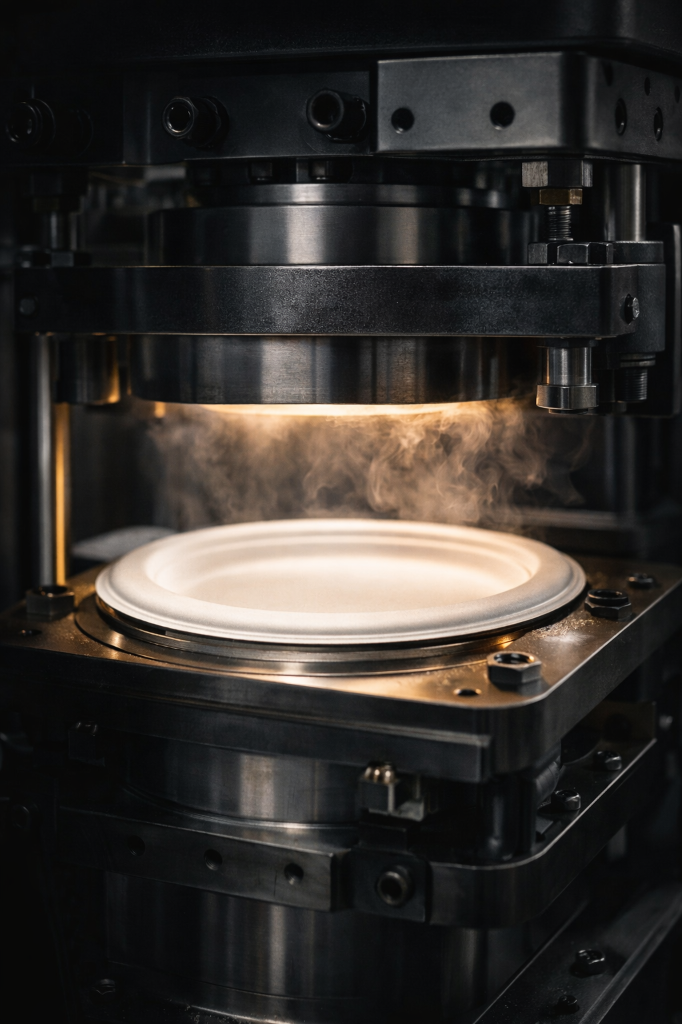
Fibrous containers are naturally porous. When attempting to hold hot coffee or massive soup servings in thin bagasse cups or an incorrectly rated cup single, extreme moisture can occasionally permeate. However, modern high-pressure molding allows us to create densely interlocked fiber walls. Whether utilizing a 60ml cup for hot espresso or a massive, deep bowl, certified engineering entirely prevents weeping.
Replacing Weak Cardboard Limits
The legacy of a classic grease-soaked cardboard box round or heavily leaking trays cardboard is quickly fading. Advancements in sugarcane lining ensure that even sugar-heavy moisture—such as melting ice cream held within a heavily chilled ice cream cup with lid—stays completely trapped, offering a far superior barrier compared to standard pulped-wood paper solutions.
Looking for Premium Bagasse Tableware?
Explore our array of export-grade, 100% compostable packaging solutions.
Molydos Editorial Team
Leading the conversation on sustainable manufacturing and industrial innovation. Our team works at the intersection of eco-technology and global trade.